ORIGINAL RESEARCH
Impact of COVID-19 on Primary Healthcare Research: Trends and Suggestions for Better Services Approaches Via Blockchain Based Applications
Muhammet Damar, PhD1,2 ; Andrew David Pinto, MD MSc2,3,4,5; Fatih Safa Erenay, PhD6 and Omer Aydin, PhD6,7
1Computer Science Department, Faculty of Science, Dokuz Eylul University, Alsancak, İzmir, Turkiye; 2Upstream Lab, MAP, Li Ka Shing Knowledge Institute, Unity Health Toronto, Toronto, Ontario, Canada; 3Department of Family and Community Medicine, Faculty of Medicine, University of Toronto, Toronto, Ontario, Canada; 4Department of Family and Community Medicine, St. Michael’s Hospital, Unity Health Toronto, Toronto, Ontario, Canada; 5Dalla Lana School of Public Health, University of Toronto, Toronto, Ontario, Canada; 6Management Science and Engineering, Faculty of Engineering, University of Waterloo, Waterloo, Ontario, Canada; 7Electrical and Electronics Engineering, Faculty of Engineering, ManisaCelal Bayar, University, Manisa, Turkiye
Keywords: Bibliometric analysis, blockchain, COVID-19, coronavirus, pandemic, primary healthcare, topic modeling
Abstract
Objective: The authors assessed how research in primary healthcare was affected by the COVID-19 pandemic and identified the potential of blockchain technology to address pandemic-related challenges.
Methods: This quantitative bibliometric research study used machine learning techniques. A comprehensive analysis of all primary healthcare (PHC) research was conducted using bibliometric data from the WOs. We examined co-authorship, co-occurrences, citation and co-citation, thematic mapping, factorial, document, and Latent Dirichlet Allocationtopic analyses. Our main dataset was 1,885 articles produced by 9,185 researchers from 3,132 institutions in 113 countries.
Results: The most cited studies in the PHC field during the pandemic related to telemedicine and remote consultation, along with clinical conditions such as mental health, diabetes, vaccinations, risks during pregnancy, and healthcare of the elderly. In addition, the impact of COVID-19 on educational outcomes, changes to the organization of care, experiences and challenges to PHC physicians and other health professionals, and the diversity of COVID-19 symptoms were prominent.
Conclusions: The PHC researchers adapted quickly to the pandemic and conducted multidisciplinary research that helped to mitigate the impact on individuals, health systems, and society. Within this context, blockchain technology can be used to facilitate the security of health data, resource management (e.g., monitoring of the vaccine supply chain), and global collaboration toward pandemic control. By providing transparency, security, and efficiency in these areas, blockchain technology might lead to more effective pandemic preparedness and management in the future.
Plain Language Summary
The authors assessed how research in primary healthcare was affected by the COVID-19 pandemic and identified the potential for blockchain technology to address pandemic-related challenges. The main dataset included 1,885 articles produced by 9,185 researchers from 3,132 institutions in 113 countries. The PHC researchers adapted quickly to the pandemic and conducted multidisciplinary research that helped to mitigate the impact on individuals, health systems, and society. The results reveal that blockchain technology can facilitate the security of health data, resource management (e.g., monitoring of the vaccine supply chain), and global collaboration toward pandemic control. By providing transparency, security, and efficiency in these areas, blockchain technology may lead to more effective pandemic preparedness and management in the future.
Citation: Blockchain in Healthcare Today 2025, 8: 400.
DOI: https://doi.org/10.30953/bhty.v8.400
Copyright: © 2025 This is an open-access article distributed in accordance with the Creative Commons Attribution Non-Commercial (CC BY-NC 4.0) license, which permits others to distribute, adapt, enhance this work non-commercially, and license their derivative works on different terms, provided the original work is properly cited and the use is non-commercial. See http://creativecommons.org/licenses/by-nc/4.0.
The authors of this article own the copyright.
Received: April 28, 2025; Accepted: June 4, 2025; Published: August 1, 2025
Corresponding Author: Omer Aydin, Email: omer.aydin@cbu.edu.tr
Competing interests and funding: None
Associate Professor Muhammet Damar, PhD and Associate Professor Omer Aydin, PhD were funded by the Scientific and Technological Research Council of Türkiye (TUBITAK) under the 2219 International Postdoctoral Research Fellowship Program for Turkish Citizens.
The COVID-19 pandemic resulted in over seven million deaths and profoundly affected health systems globally.1–3 Primary healthcare (PHC) practitioners played an important role in responding to the COVID-19 pandemic. As the initial point of contact and the ‘front door’ to the healthcare system,4,5 PHC providers supported key aspects of the pandemic response, including testing, vaccination, treatment of SARS-CoV-2, communication to the public, and adapting to maintain care for other acute illnesses and chronic diseases.6–8
Bibliometric analysis methods are important tools for reviewing developments or prominent debates in a specific field over time.9,10 Several bibliometric studies were conducted in the PHC literature.11–14 Exploring the impact of the COVID-19 pandemic on PHC research through a comprehensive bibliometric evaluation may provide insights to be better prepared for future pandemics.
No previous study provides a comprehensive evaluation of the global impact of COVID-19 on PHC literature. Using bibliometric tools, our objective was to provide a comprehensive evaluation of how COVID-19 changes the PHC research landscape. We sought to identify answers to the following issues. How has the COVID-19 pandemic affected the PHC literature? What are the most highly cited COVID-19 articles in PHC? Which researchers, institutions, and in what countries conducted the most intensive research on COVID-19 in PHC. In addition, we sought to identify how blockchain technology might be used more efficiently during similar outbreaks in the future with.
Methodology
Data on articles published between January 1, 2020 and February 2, 2024, were obtained from nine different queries through the Web of Science (WoS) Core Collection (Appendix A). Bibliometric data were first obtained as Excel files and plain text, and we used VOS viewer and the Biblioshiny application in the Bibliometrix R Package.
In our analyses, we focused on research articles and reviews as the information carried by these document types is more comprehensive and relevant to the research field. Several types of content analyses were conducted to capture and reveal the impact of the COVID-19 pandemic on PHC research. The set of conducted content analysis and associated methods includes co-authorship analysis,15,16 co-occurrence analysis (network, overlay, and density analysis),16,17 citation and co-citation analysis,18,19 thematic map analysis, thematic evaluation analysis, and factorial analysis (word map, words by cluster, and topic dendrogram),19,20 document analysis (most frequent words, word cloud, treemap, word dynamics, trend topics),19,20 and Latent Dirichlet Allocation.21,22 The search sites used to retrieve the data for analysis from the WoS Core Collection, the research methodology, and other details are provided in Appendix A.
Topic modeling is one of the most powerful techniques for data/text mining and hidden data discovery to identify relationships between data and text documents. Among the various methods of topic modeling, Latent Dirichlet Allocation is one of the most popular.23
Results
General View of Covid-19 Literature in Primary Healthcare Research Area
The COVID-19 pandemic was first reflected in the PHC literature in 2020. Our bibliometric analysis accessed a total of 2,606 publications of 12 different types. The PHC research area, which has had critical importance during the pandemic outbreak period, ranked 74th among WoS research areas with 2,606 documents. We limited our main dataset to 1,885 publications by considering only research articles and reviews. Appendix B illustrates the distribution of publications according to relevant fields (COVID-19 or PHC), publication years, publication types, and research areas.
The top five WoS research areas where COVID-19 studies were conducted include general internal medicine (f:50,613, 9.72%), public environmental occupational health (f:50,162, 9.63%), immunology (f:23,126, 4.44%), infectious diseases (f:22,779, 4.37%), and multidisciplinary sciences (f:19,831, 3.81%). Interestingly, the vast majority of the relevant publications (f:1,779 out of 1,885, %94.4%) were open-access.
Authors, Institutions, and Countries
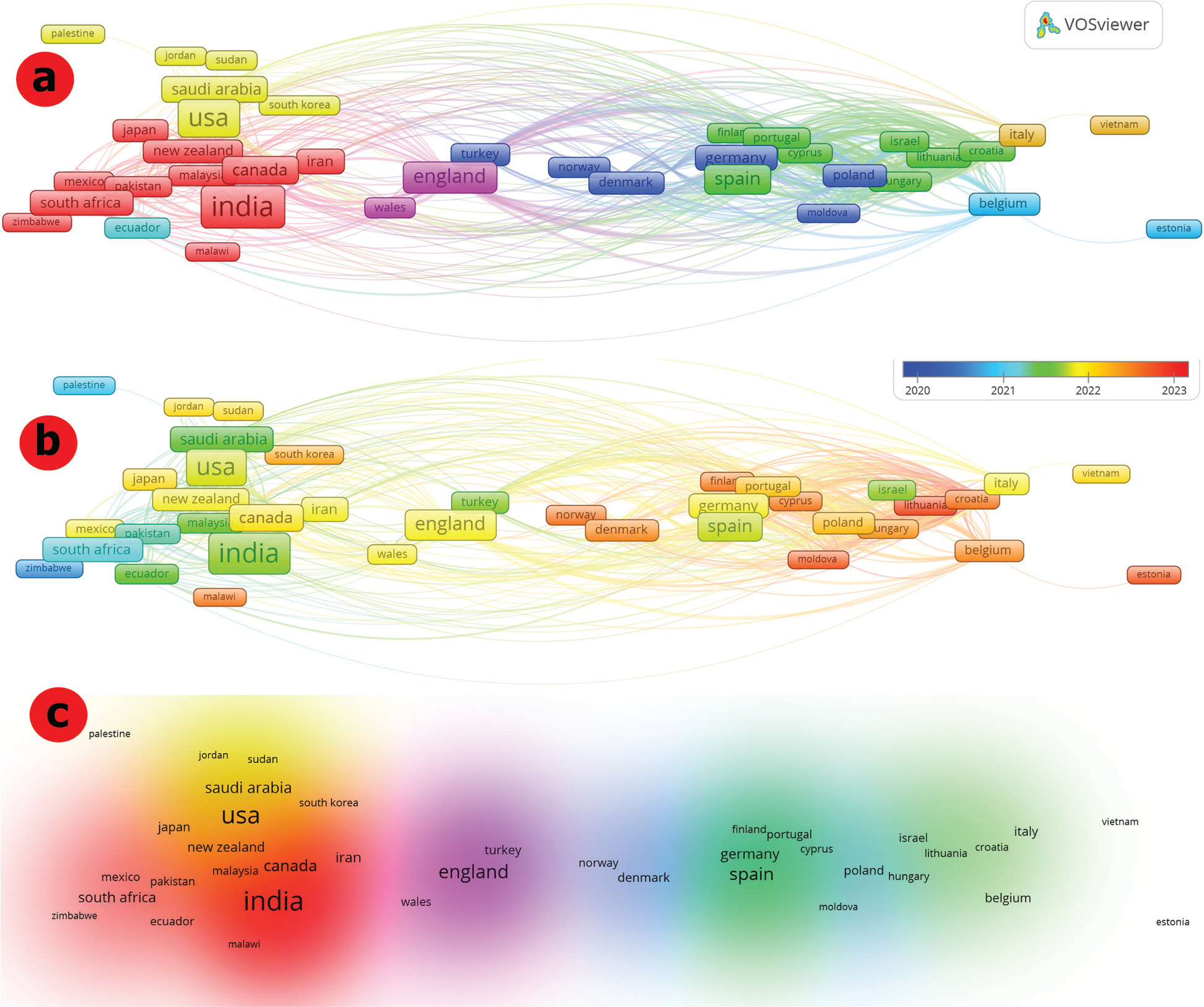
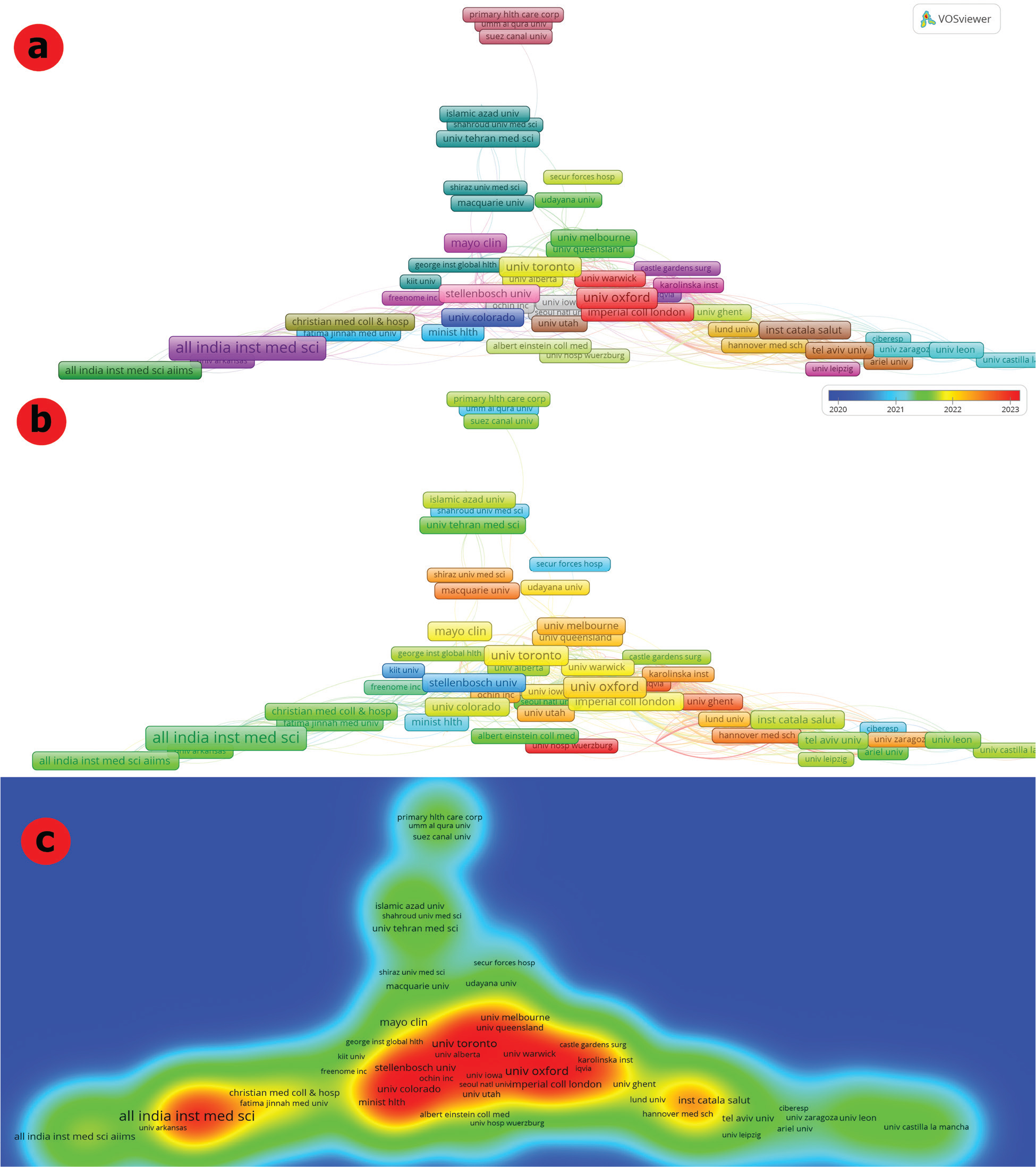
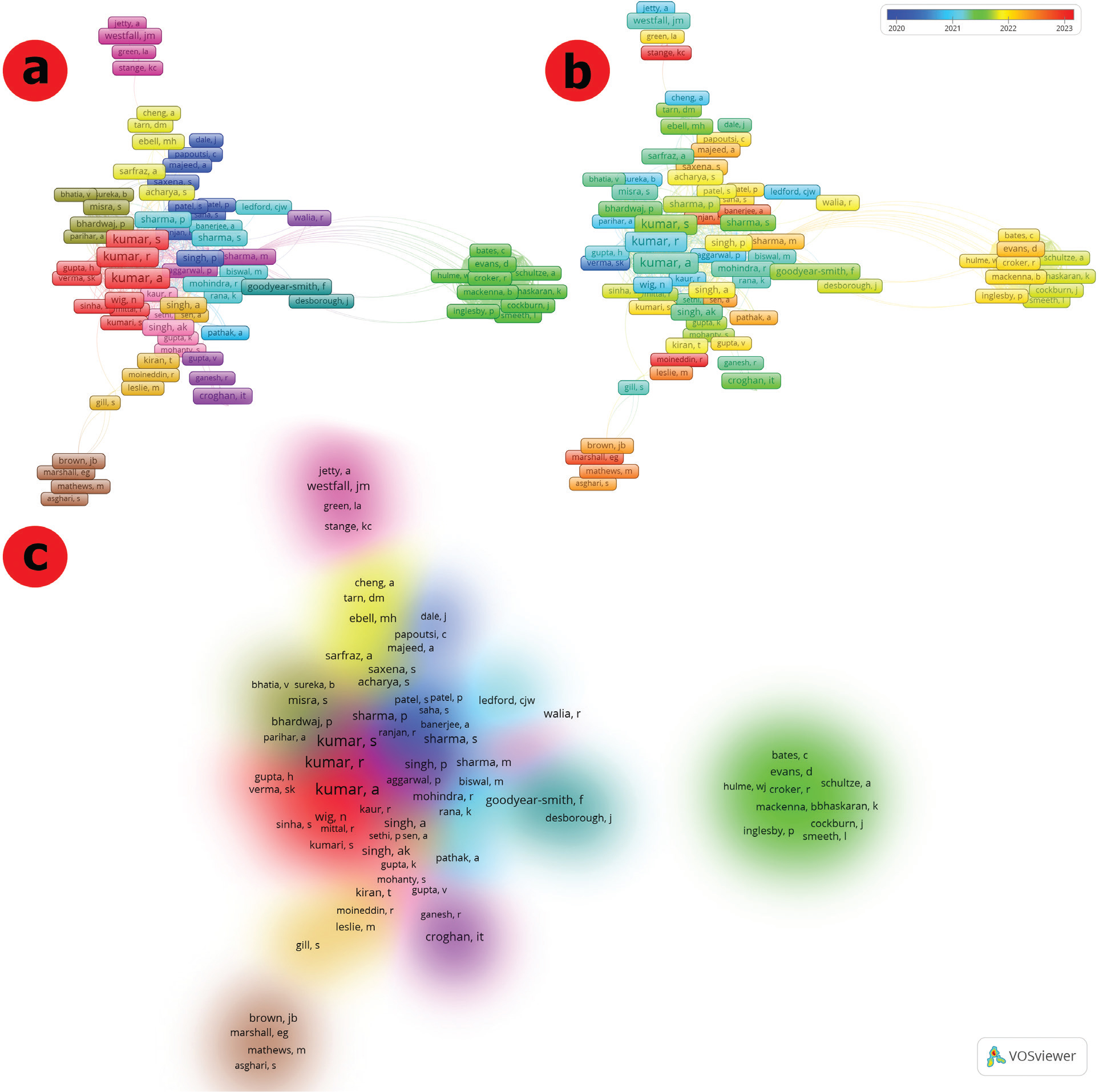
The relevant articles in the main database (f:1,885) were written by 9,185 researchers from 3,132 different institutions located in 113 different countries. The top 30 countries, the top 20 institutions, and the top 20 authors showing the most intense interest in COVID-19 topics within the PHC literature are listed in Appendices C, D, and E, respectively. The threefield-plot (journals, authors, and keyword plus) analysis in Appendix E shows the journals and subject headings of the researchers’ publications in general.
Considering the publications in journals in the Social Sciences Citation Index (SSCI) and Science Citation Index Expanded (SCI-Expanded), the University of Oxford (f:40, 5.42%), University of Toronto (f:34, 4.61%), University of London (f:33, 4.47%) stand out and make significant contributions to the field.
References, Most Cited Documents and Sources
The COVID-19 articles in the field of PHC were published in 29 different journals (see Appendix F). The most cited articles are shown in Appendix G. The 1,885 relevant articles cited 4,449 different sources (journals, theses, books, etc.) and 42,295 references. The co-citation source analysis shows the network analysis of 374 sources according to the minimum 20 works, the eight clusters with which the journals are associated, and the density map of the journals (Figure 1).
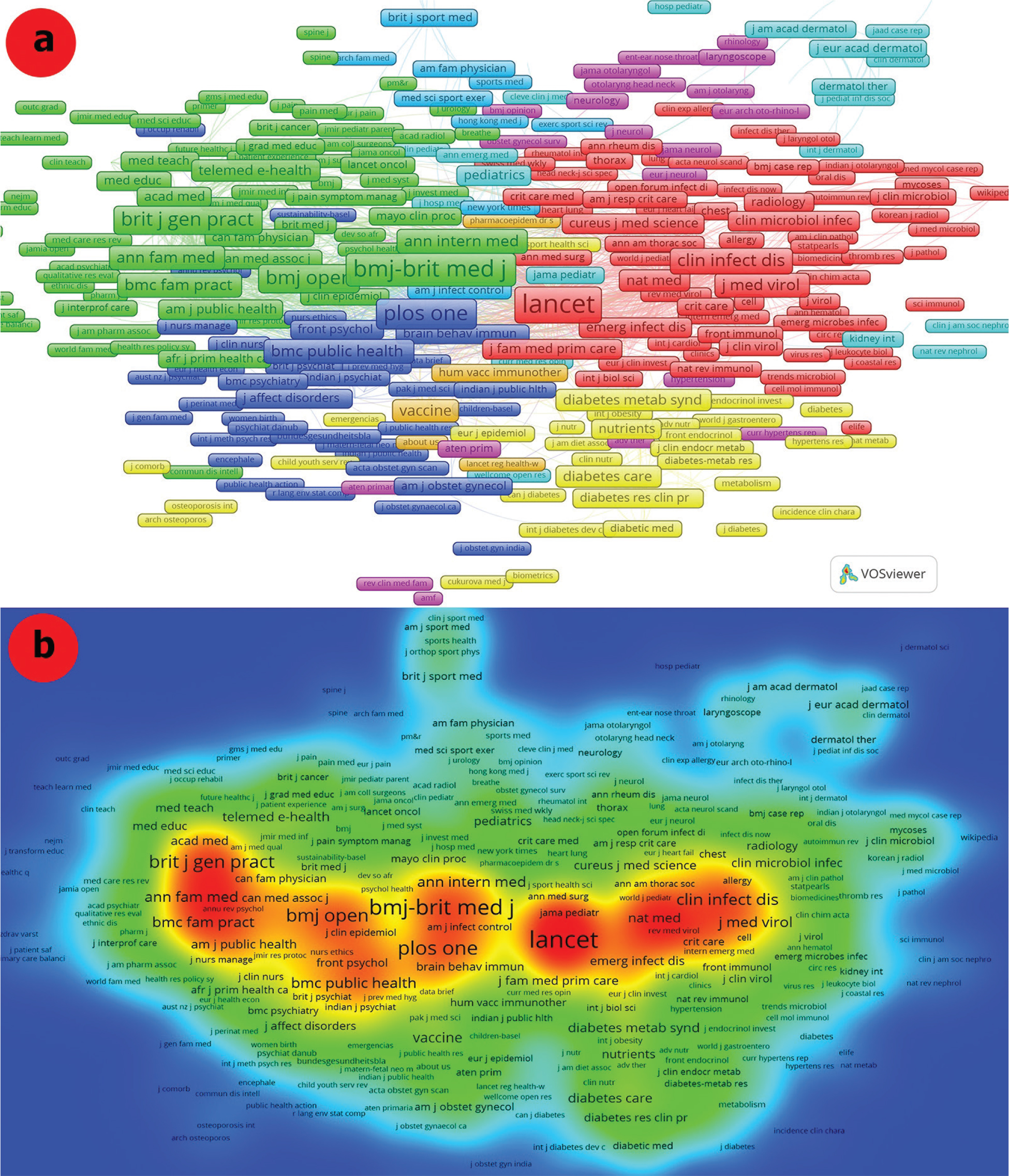
Fig. 1. Co-citation sources analyses for COVID-19 studies in PHC research area. PHC: primary healthcare.
The most cited study in the main database evaluates the impact of COVID-19 on loneliness, mental health, and health service utilization with a cause-and-effect relationship for older adults.24 That study revealed that older patients with multimorbidity in primary care experienced worse psychosocial health and an increase in missed scheduled medical appointments for chronic disease care after the start of the COVID-19 pandemic. The top cited studies in the PHC field during the relevant period considered prominent issues related to telemedicine,3,25 remote consultation,26,27 mental health,24,28,29 diabetes,30 anxiety,28,31 vaccination,32,33 risks for pregnant and elderly people,28,34 the impact of COVID-19 on education,35 organizational problems in PHC,36,37,38 PHC physicians’ and health professionals’ experiences and problems,4,25,39,40 COVID-19 symptoms,41,42 migrants,43 refugees,44 COVID-19 vaccine hesitancy.45
Themes of the Relevant Studies Based on Keywords, Titles, Abstracts, and Research Areas Perspectives
The results of the co-occurrence analysis for researcher keywords are shown in Figure 2. Note that the keywords equivalent to COVID-19 in PHC and primary care were excluded from the analysis for clarity. In Figure 3, the size of each word is proportional to the usage frequency of that word. The words belonging to the same clusters have the same color in Figures 2a and c, while the thickness of the links between words highlights co-occurrence frequency, which implies the existence and magnitude of relationships between the keywords. In Figure 2b, from dark blue to red, the topics that were intensively studied between 2020 and 2024 are shown. Furthermore, Figure 2d shows the thematic evolution performed on the researchers’ keywords.
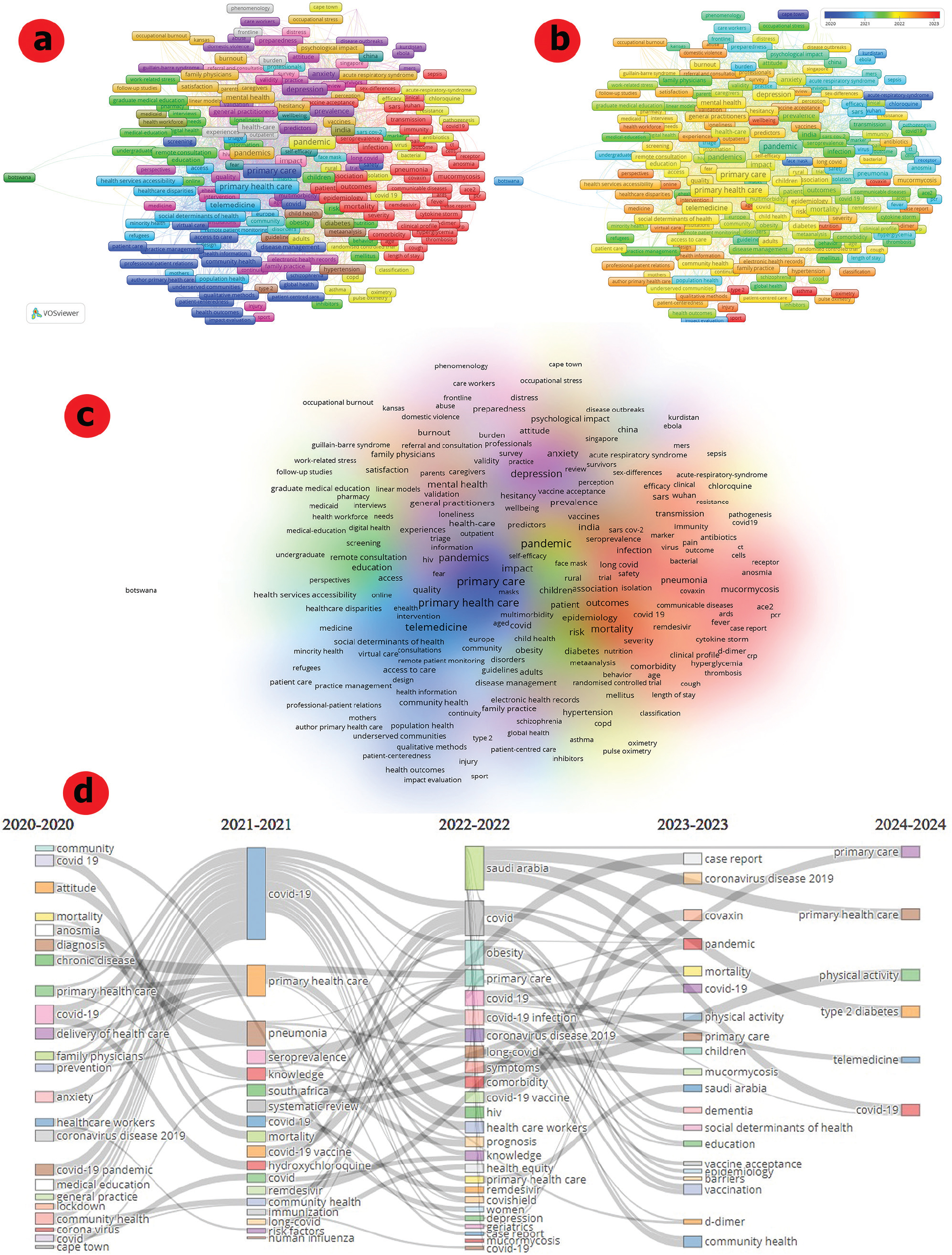
Fig. 2. Co-occurrence analyses for COVID-19 studies keywords in PHC research area. PHC: primary healthcare
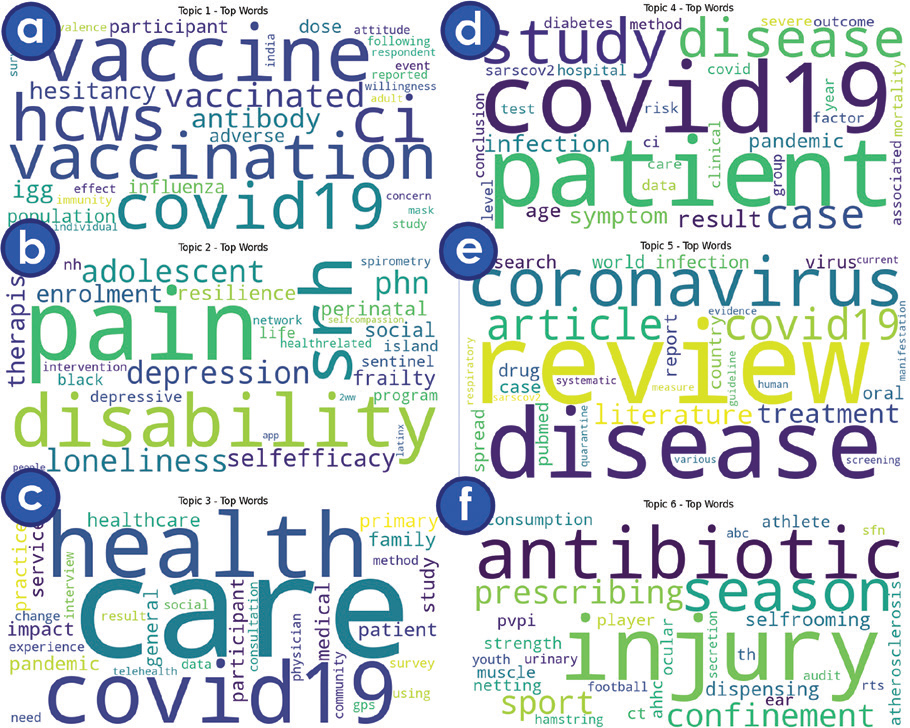
Fig. 3. Latent Dirichlet Allocation topic modeling analysis (Fields: Abstracts and Titles).
In Figure 2a and c the words belonging to the same clusters share the same color, while in Figure 2d, the thickness of the links between words highlights co-occurrence frequency, which implies the existence and magnitude of relationships between the keywords. In addition, Figure 2d shows the thematic evolution performed on the researchers’ keywords. Note that the keywords equivalent to COVID-19 in PHC and primary care were excluded from the analysis for clarity. (a) Network Analyses, (b) Overlay Analyses, (c) Density Analyses, and (d) Thematic Evolution. PHC: primary healthcare.
We also analyzed the relevant articles on COVID-19 in PHC literature using Latent Dirichlet Allocation topic modeling to summarize and extract article themes. These distinct themes obtained from this analysis are depicted on six different word clouds in Figure 3a–f.
Based on a topic dendrogram analysis performed on the abstracts of the articles to the main research areas, COVID-19 articles in PHC literature focus on eight main research areas (See Appendix H, Appendix I and Appendix J). The related fields are general internal medicine (Appendix Ha), endocrinology metabolism (Appendix Hb), healthcare sciences services (Appendix Ic), health policy services (Appendix Id), public environmental occupational health (Appendix Id), orthopedics (Appendix Je), sport sciences (Appendix Jf), respiratory system (Appendix Jf). COVID-19 articles in health policy services are also associated with the public environmental occupational health field (Appendix Id), and COVID-19 articles in orthopedics are also associated with the sports sciences field (Appendix Je).
Discussion and Conclusion
During the pandemic and during the following years, COVID-19-related issues have drawn significant interest in the PHC literature, for example, nearly one out of every five PHC studies published between 2021 and 2023 were related to COVID-19. This study offers a comprehensive bibliometric assessment of articles using machine learning techniques on COVID-19 in the PHC research field, providing insights into the pandemic’s impact on PHC research from a holistic perspective.
Upon review of the literature, this study represents the most comprehensive investigation into the impact of the pandemic on PHC literature. In addition, the pandemic was beyond a regular health problem or disease. Thus, its multidimensional impact has been studied by experts from different fields.46–48 However, existing studies have reviewed PHC research related to COVID-19 within specific subareas of the field.28,29,33,49
Our bibliometric analyses revealed that such large-scale pandemics affect a vast variety of subareas within the PHC field as well as other fields of medicine. Therefore, multidisciplinary approaches are often necessary for effective problem-solving for the control and management of such large-scale pandemics.
Comorbidity, multimorbidity, stress, telemedicine, remote consultation, mental health, diabetes, anxiety, vaccination, risks for pregnant and elderly, vulnerable population, impact of COVID-19 on education, organizational problems in PHC, experiences and problems of PHC physicians and health workers, COVID-19 symptoms, migrants, refugees, COVID-19 vaccine hesitancy, and disease management were the other intensively studied topics worth mentioning. For instance, care for patients with multimorbidity emerged as an intensely questioned issue for PHC services during the COVID-19 pandemic given their vulnerability against COVID-19.6,7 In addition, as the pandemic progressed, vulnerable groups were more susceptible to COVID-19 infection and had worse health outcomes compared to others.6
Refugees, migrants, the homeless population, children, pregnant women, elderly people, veterans, people with chronic diseases (e.g., diabetes, cancer, cardiovascular problems, neurological diseases, chronic respiratory diseases), and rural populations are other outstanding keywords for vulnerable populations. Keeping an up-to-date database for patients with multimorbidity and vulnerable patients is vital to be better prepared for such pandemics in the future and minimize the adverse outcomes among these individuals.
In our study, stress and anxiety emerged as very intensively studied topics in the PHC field. This situation is reasonable considering the burden of the pandemic.24 Mental health, anxiety, depression, stress, and burnout were among the keywords and themes captured by our topic modeling applications. These topics were discussed in the context of problems faced by doctors, nurses, and other health professionals, as well as by patients and medical students. Quality of life, health equity, health service accessibility, social determinants of health, and gender differences were other topics discussed in relation to PHC services. These topics were discussed in the PHC literature in conjecture with disease management, triage, risk factors, and health management.50–53
The most important COVID-19 measures for mitigating the pandemic propagation were social distancing3 and the use of masks, herd immunity, personnel protective equipment, quarantine, and the management and coordination of the outbreak in PHC services.54 In addition to these, telemedicine digital technology has been a relevant and necessary technology for the COVID-19 pandemic process.55,56 Telemedicine has supported the delivery of health services when severe social-distancing and isolation measures were in place, especially for public health, disease prevention, and clinical practices.3,25 Telemedicine was the most intensively studied useful technology in our study. A properly implemented telemedicine service can integrate with health services.56
Nurses and other allied health professionals performing important tasks on the frontline are affected as much as family doctors, physicians, or medical students globally38,40,57–59 and the technology developed must be planned with the needs of all health stakeholders in mind. Therefore, being a useful technology, especially considering the importance of social distance in the way the virus is transmitted, it has been used in the pandemic process as a critical technology for diagnosis, treatment, and monitoring, and even for the training of doctors and doctor candidates.26 This has also significantly impacted the educational processes of these professions.60,61 Therefore, it can be suggested that education processes should be ready for such outbreaks. In general, patients have reported high satisfaction with telehealth in general practice during quarantine, and integrating telemedicine into the healthcare system as a natural component is considered beneficial for being better prepared for future pandemics.62
Strengths and Limitations of Our Study
It can be said that the dataset analyzes publications in journals indexed by WoS, but most of the relevant journals with PHC are also indexed by Scopus.63 In addition, many analyses were performed on the data obtained, and only part of them are presented here due to limitations in the number of figures, tables, and text. Additional findings are presented as Appendices, as they may be useful for researchers and strengthen the article.
Future Studies
For future studies it might be useful to discuss PHC and the pandemic process with computer science, artificial intelligence, information systems, interdisciplinary applications, software engineering, medical informatics, robotics, respiratory systems, public administration, psychology, social, psychiatry, and economics. This contribution stems from the critical value and importance of the PHC field in COVID-19-like outbreaks. Experiences gained from pandemics should not be lost, lessons should be learned and used to create new approaches for PHC in the future. Singapore is a successful example.64 Contemporary technologies such as the metaverse play a significant role in the healthcare field.65 During the COVID-19 pandemic, PHC services have been virtualized, and the use of virtual technologies has become widespread.66 In particular, virtual visits in Canada are considered an alternative healthcare service for those with chronic illnesses.67 For future pandemics, it is necessary to thoroughly investigate virtual healthcare services and reorganize PHC to incorporate remote technologies.
Given the likelihood of encountering similar epidemics in the future due to global climate change, population growth, and deteriorating living conditions, the study emphasizes the importance of distance services (telehealth, distance education, remote consultation, etc.) in connecting patients, healthcare providers, and health services remotely during epidemic periods. It recommends that policymakers and governments integrate relevant systems into national health frameworks, prioritizing epidemic preparedness for future outbreaks and addressing integration-related challenges promptly.
Many countries faced challenges in accessing protective equipment, masks, and respiratory systems crucial for pandemic control. To prevent similar issues in future outbreaks, the results published here advise countries to develop strategic pandemic plans urgently and ensure sufficient stock and distribution of pandemic-fighting materials during COVID-19-like crises. It also underscores the importance of prioritizing PHC, particularly in densely populated countries such as India, Indonesia, Pakistan, and Bangladesh. Developing nations must utilize their limited resources more effectively, with PHC offering significant potential in reducing health inequalities and providing critical health services during pandemics. For these countries, investing in PHC services is deemed essential and strategic to ensure more equitable access to healthcare services for citizens.
What Blockchain Technology Can Provide for Future Pandemics
The COVID-19 is transmitted to humans through zoonosis, which can occur again in the future.68 Therefore, the global community should invest in potential technologies that can be helpful for future pandemics. Blockchain is among such a critical technology and its applications such as Hashlog, VeChain, the Public Health Blockchain Consortium (PHBC) platform, and Hyperchain have been used during COVID-19 pandemic for various purposes.69
Blockchain is a technology that attracts attention with its decentralized, transparent, secure, and immutable data storage and transaction features.70 These features can facilitate pandemic control through early detection of outbreaks, accelerating drug delivery, and protecting user privacy during treatment.69 During pandemics, rapid access to accurate and reliable health data is vital. Blockchain technology provides real-time information to all strategic partners and traceability in the disease control process, which can ensure secure and transparent management of health data.71 The blockchain technology can be used to globally track the spread of coronavirus infections by placing a blockchain network on citizens’ mobile devices.69 It also facilitates the use of international vaccination certificates and health status monitoring.72
The transparent structure of blockchain enables tracking of how health data are used at each step of care delivery. For example, during pandemics, efficient and proper production, transportation, and distribution of vaccines, therapeutic drugs, masks, and hygiene products is critical to combat the pandemic. Various significant problems have been experienced in these processes during the COVID-19 pandemic.73–76 With blockchain technology, the vaccine and drug production processes can be made transparent and secure and the processes can be monitored in real-time. In this way, definitive traceability of transported and stored vaccines and drugs can be achieved. This could also reduce the risk of counterfeiting in vaccines and other protective products. Sharing of research and development data during the pandemic has also been critical in the drug development process and early pandemic response.77 In vaccine development processes, sharing data from different research organizations on the blockchain can enable faster research progress as a part of their pandemic preparedness plans.
During future pandemics, citizens do not only need to be provided with the right medicine or equipment but also with the most accurate information. During the COVID-19 process, many problems have been experienced in social media and other platforms, rendering access to accurate information.78 The most appropriate way to combat this is to share information with citizens through social media communication channels where content can be monitored.
Khurshid79 suggested a nationally coordinated partnership (consisting of academia, researchers, the business world, and industry) to accelerate the adoption of blockchain and their national/international use in accurately disseminating information, which can prevent disinformation and manipulation, especially in social media. On a global scale, the need for pandemic research collaboration, and thus, secure data-sharing channels is even greater. Global collaboration efforts require quick and secure transfer of large-scale data between different countries, organizations, and health authorities. At this point, blockchain technology is a real, applicable, and secure technology. Therefore, it would be appropriate to carry out such processes and initiatives through and under the leadership of the World Health Organization.
Contributors
Muhammet Damar: Conceptualization, methodology, software, validation, formal analysis, data curation, writing—original draft, writing—review and editing, visualization.
Andrew David Pinto: Conceptualization, validation, investigation, writing—review and editing, supervision.
Fatih Safa Erenay: Conceptualization, investigation, writing—review and editing, supervision.
Ömer Aydın: Conceptualization, writing—review and editing, supervision.
Data Availability Statement (DAS), Data Sharing, Reproducibility, and Data Repositories
The data that support the findings of this study are available from the corresponding author upon reasonable request. Also, we retrieve our bibliometric data from WoS Core Collection Database and this database is open for everyone.
Application of AI-Generated Text or Related Technology
No AI tools were used for content creation in this manuscript (e.g., drafting, rewriting, or generating ideas).
Acknowledgments
Associate Professor Muhammet Damar and Associate Professor Omer Aydin would like to thank the Scientific and Technological Research Council of Türkiye (TUBITAK) for their support. Associate Professor Muhammet Damar would like to thank the Upstream Lab, MAP, Li Ka Shing Knowledge Institute at the University of Toronto for its excellent hospitality.
The study was conducted by UpStream Lab project team members to evaluate the reflections of the COVID-19 pandemic in primary healthcare literature. The Lab has a project evaluating the inequity created within the health system during the pandemic in Canada. The research was carried out as a supportive but independent project from this project.
References
- Worldometer. Coronavirus toll update: cases & deaths by country [Internet]. Worldometer. 2024 [cited 2024 Sep 21]. Available from: https://www.worldometers.info/coronavirus/
- Prado NM, Rossi TR, Chaves SC, Barros SG, Magno L, Santos HL, et al. The international response of primary health care to COVID-19: document analysis in selected countries. Cad Saude Publica. 2020;36(12):e00183820. https://doi.org/10.1590/0102-311x00183820
- Vidal-Alaball J, Acosta-Roja R, Hernández NP, Luque US, Morrison D, Pérez SN, et al. Telemedicine in the face of the COVID-19 pandemic. Atencionprimaria. 2020 Jun 1;52(6):418–22. https://doi.org/10.1016/j.aprim.2020.04.003
- Wanat M, Hoste M, Gobat N, Anastasaki M, Böhmer F, Chlabicz S, et al. Transformation of primary care during the COVID-19 pandemic: experiences of healthcare professionals in eight European countries. Br J Gen Pract. 2021 Aug 1;71(709):e634–42. https://doi.org/10.3399/BJGP.2020.1112
- Sigurdsson EL, Blondal AB, Jonsson JS, Tomasdottir MO, Hrafnkelsson H, Linnet K, et al. How primary healthcare in Iceland swiftly changed its strategy in response to the COVID-19 pandemic. BMJ Open. 2020 Dec 1;10(12):e043151. https://doi.org/10.1136/bmjopen-2020-043151
- Hayhoe BW, Powell RA, Barber S, Nicholls D. Impact of COVID-19 on individuals with multimorbidity in primary care. Br J Gen Pract. 2022 Jan 1;72(714):38–9. https://doi.org/10.3399/bjgp22X718229
- Nanda S, Toussaint L, Vincent A, Fischer KM, Hurt R, Schroeder DR, et al. A midwest COVID-19 cohort for the evaluation of multimorbidity and adverse outcomes from COVID-19. J Prim Care Community Health. 2021 Apr;12:21501327211010991. https://doi.org/10.1177/21501327211010991
- Nurek M, Rayner C, Freyer A, Taylor S, Järte L, MacDermott N, et al. Recommendations for the recognition, diagnosis, and management of long COVID: a Delphi study. Br J Gen Pract. 2021 Nov 1;71(712):e815–25.
- Cooper ID. Bibliometrics basics. J Med Libr Assoc. 2015 Oct;103(4):217. https://doi.org/10.3163/1536-5050.103.4.013
- Damar HT, Bilik O, Ozdagoglu G, Ozdagoglu A, Damar M. Scientometric overview of nursing research on pain management. Rev Lat Am Enfermagem. 2018;26:e3051. https://doi.org/10.1590/1518-8345.2581.3051
- Carratalá-Munuera MC, Orozco-Beltrán D, Gil-Guillen VF, Navarro-Perez J, Quirce F, Merino J, et al. AnálisisBibliométrico de la producciónCientíficaInternacionalsobreatenciónprimaria. Atenciónprimaria. 2012 Nov 1;44(11):651–8. https://doi.org/10.1016/j.aprim.2011.12.002
- Mohan S, Thakur J, Mohan C, Agarwal S, Tirkey R. Journal of family medicine and primary care—a five year bibliometric analysis from 2016 to 2020. J Fam Med Primary Care. 2022 Jul 1;11(7):3613–21. https://doi.org/10.4103/jfmpc.jfmpc_2086_21
- Ma H, Cheng BR, Chang AH, Chang HT, Lin MH, Chen TJ, et al. Internationalisation of general practice journals: a bibliometric analysis of the Science Citation Index database. Austr J Prim Health. 2021 Dec 14;28(1):76–81.
- Kulkarni CA, Wadhokar OC, Naqvi WM. Changing trends in Covid-19 publication in India by bibliometrics analysis. J Fami Med Prim Care. 2022 Nov 1;11(11):7177–9. https://doi.org/10.4103/jfmpc.jfmpc_1394_21
- Ponomariov B, Boardman C. What is co-authorship?.Scientometrics. 2016 Dec;109:1939–63.
- Van Eck N, Waltman L. Software survey: VOSviewer, a computer program for bibliometric mapping. Scientometrics. 2010 Aug 1;84(2):523–38. https://doi.org/10.1007/s11192-009-0146-3
- Sedighi M. Application of word co-occurrence analysis method in mapping of the scientific fields (case study: the field of Informetrics). Libr Rev. 2016 Feb 1;65(1/2):52–64. https://doi.org/10.1108/LR-07-2015-0075
- Ding X, Yang Z. Knowledge mapping of platform research: a visual analysis using VOSviewer and CiteSpace. Electron Commer Res. 2022 Sep 1;22:1–23.
- Büyükkıdık S. A bibliometric analysis: a tutorial for the bibliometrix package in R using IRT literature. J Meas Eval Educ Psychol. 2022;13(3):164–93.
- Tay A. Bibliometrix—a powerful and popular new bibliometric tool used in the domain of business and management | Singapore Management University (SMU) [Internet]. Singapore Management University (SMU); 2022 [cited 2024 Sep 21]. Available from: https://library.smu.edu.sg/topics-insights/bibliometrix
- Zamzuri, ZH. A bibliometric analysis of COVID-19 research in malaysia using latent Dirichlet allocation. SainsMalaysiana. 2021 Jun 1;50(6):1815–25. https://doi.org/10.17576/jsm-2021-5006-26
- Tran BX, Nghiem S, Sahin O, Vu TM, Ha GH, Vu GT, et al. Modeling research topics for artificial intelligence applications in medicine: latent Dirichlet allocation application study. J Med Internet Res. 2019 Nov 1;21(11):e15511.
- Jelodar H, Wang Y, Yuan C, Feng X, Jiang X, Li Y, et al. Latent Dirichlet allocation (LDA) and topic modeling: models, applications, a survey. Multimed Tools Appl. 2019 Jun 15;78:15169–211. https://doi.org/10.1007/s11042-018-6894-4
- Wong SY, Zhang D, Sit RW, Yip BH, Chung RY, Wong CK, et al. Impact of COVID-19 on loneliness, mental health, and health service utilisation. Br J Gen Pract. 2020 Sep 28;70(700):e817–24.
- Gomez T, Anaya YB, Shih KJ, Tarn DM. A qualitative study of primary care physicians’ experiences with telemedicine during COVID-19. J Am Board Fam Med. 2021 Feb 1;34(Supplement):S61–70. https://doi.org/10.3122/jabfm.2021.S1.200517
- Murphy M, Scott LJ, Salisbury C, Turner A, Scott A, Denholm R, et al. Implementation of remote consulting in UK primary care following the COVID-19 pandemic: a mixed-methods longitudinal study. Br J Gen Pract. 2021 Mar 1;71(704):e166–77.
- Imlach F, McKinlay E, Middleton L, Kennedy J, Pledger M, Russell L, et al. Telehealth consultations in general practice during a pandemic lockdown: survey and interviews on patient experiences and preferences. BMC Fam Pract. 2020 Dec;21:1–4. https://doi.org/10.1186/s12875-020-01336-1
- Farewell CV, Jewell J, Walls J, Leiferman JA. A mixed-methods pilot study of perinatal risk and resilience during COVID-19. J Prim Care community Health. 2020 Jul;11:2150132720944074.
- Ashcroft R, Donnelly C, Dancey M, Gill S, Lam S, Kourgiantakis T, et al. Primary care teams’ experiences of delivering mental health care during the COVID-19 pandemic: a qualitative study. BMC Fam Pract. 2021 Dec;22:1–2. https://doi.org/10.1186/s12875-021-01496-8
- Karatas S, Yesim T, Beysel S. Impact of lockdown COVID-19 on metabolic control in type 2 diabetes mellitus and healthy people. Prim Care Diabetes. 2021 Jun 1;15(3):424–7.
- Bäuerle A, Steinbach J, Schweda A, Beckord J, Hetkamp M, Weismüller B, et al. Mental health burden of the COVID-19 outbreak in Germany: predictors of mental health impairment. J Prim Care community Health. 2020 Aug;11:2150132720953682. https://doi.org/10.1177/2150132720953682
- Yang MJ, Rooks BJ, Le TT, Santiago IO, Diamond J, Dorsey NL, et al. Influenza vaccination and hospitalizations among COVID-19 infected adults. J Am Board Fam Med. 2021 Feb 1;34(Supplement):S179–82. https://doi.org/10.3122/jabfm.2021.S1.200528
- Curtis HJ, Inglesby P, Morton CE, MacKenna B, Green A, Hulme W, et al. Trends and clinical characteristics of COVID-19 vaccine recipients: a federated analysis of 57.9 million patients’ primary care records in situ using OpenSAFELY. Br J Gen Pract. 2022 Jan 1;72(714):e51–62.
- Joy M, McGagh D, Jones N, Liyanage H, Sherlock J, Parimalanathan V, et al. Reorganisation of primary care for older adults during COVID-19: a cross-sectional database study in the UK. Br J Gen Pract. 2020 Aug 1;70(697):e540–7. https://doi.org/10.3399/bjgp20X710933
- Roskvist R, Eggleton K, Goodyear-Smith F. Provision of e-learning programmes to replace undergraduate medical students’ clinical general practice attachments during COVID-19 stand-down. Educ Prim Care. 2020 Jul 3;31(4):247–54.
- Duckett S. What should primary care look like after the COVID-19 pandemic? Austr J Prim Health. 2020 Jul 7;26(3):207–11. https://doi.org/10.1071/PY20095
- Krist AH, DeVoe JE, Cheng A, Ehrlich T, Jones SM. Redesigning primary care to address the COVID-19 pandemic in the midst of the pandemic. Ann Fam Med. 2020 Jul 1;18(4):349–54.
- Coma E, Mora N, Méndez L, Benítez M, Hermosilla E, Fàbregas M, et al. Primary care in the time of COVID-19: monitoring the effect of the pandemic and the lockdown measures on 34 quality of care indicators calculated for 288 primary care practices covering about 6 million people in Catalonia. BMC Fam Pract. 2020 Dec;21:1–9.
- Maraqa B, Nazzal Z, Zink T. Palestinian health care workers’ stress and stressors during COVID-19 pandemic: a cross-sectional study. J Prim Care Community Health. 2020 Aug;11:2150132720955026. https://doi.org/10.1177/2150132720955026
- Rawaf S, Allen LN, Stigler FL, Kringos D, Quezada Yamamoto H, van Weel C, et al. Lessons on the COVID-19 pandemic, for and by primary care professionals worldwide. Eur J Gen Pract. 2020 Dec 16;26(1):129–33. https://doi.org/10.1080/13814788.2020.1820479
- Zhu J, Zhong Z, Ji P, Li H, Li B, Pang J, et al. Clinicopathological characteristics of 8697 patients with COVID-19 in China: a meta-analysis. Fam Med Community Health. 2020;8(2).
- van Kessel SA, Olde Hartman TC, Lucassen PL, van Jaarsveld CH. Post-acute and long-COVID-19 symptoms in patients with mild diseases: a systematic review. Fam Pract. 2022 Feb 1;39(1):159–67. https://doi.org/10.1093/fampra/cmab076
- Knights F, Carter J, Deal A, Crawshaw AF, Hayward SE, Jones L, et al. Impact of COVID-19 on migrants’ access to primary care and implications for vaccine roll-out: a national qualitative study. Br J Gen Pract. 2021 Aug 1;71(709):e583–95.
- Brickhill-Atkinson M, Hauck FR. Impact of COVID-19 on resettled refugees. Prim Care. 2021 Mar;48(1):57–66. https://doi.org/10.1016/j.pop.2020.10.001
- McElfish PA, Willis DE, Shah SK, Bryant-Moore K, Rojo MO, Selig JP. Sociodemographic determinants of COVID-19 vaccine hesitancy, fear of infection, and protection self-efficacy. J Prim Care Community Health. 2021 Aug;12:21501327211040746.
- Aassve A, Alfani G, Gandolfi F, Le Moglie M. Epidemics and trust: the case of the Spanish Flu. Health Econ. 2021 Apr;30(4):840–57. https://doi.org/10.1002/hec.4218
- Jones DS. History in a crisis—lessons for Covid-19. N Engl J Med. 2020 Apr 30;382(18):1681–3. https://doi.org/10.1056/NEJMp2004361
- Verma S, Gustafsson A. Investigating the emerging COVID-19 research trends in the field of business and management: a bibliometric analysis approach. J Bus Resarch. 2020 Sep 1;118:253–61.
- Gupta BM, Pal R, Rohilla L, Dayal D. Bibliometric analysis of diabetes research in relation to the COVID-19 pandemic. J Diabetol. 2021 Jul 1;12(3):350–6. https://doi.org/10.4103/JOD.JOD_30_21
- Plagg B, Piccoliori G, Oschmann J, Engl A, Eisendle K. Primary Health Care and Hospital Management During COVID-19: Lessons from Lombardy. Risk Manag Healthc Policy. 2021 Sep 24;14:3987–92. https://doi.org/10.2147/RMHP.S315880
- Manning A. Triage of patients with COVID-19. Br J Gen Pract. 2020 Jun 25;70(696):327. https://doi.org/10.3399/bjgp20X710825
- Gin JL, Balut MD, Alenkin NR, Dobalian A. Responding to COVID-19 while serving veterans experiencing homelessness: the pandemic experiences of healthcare and housing providers. J Prim Care Community Health. 2022 Jul;13:21501319221112585.
- Ure A. Investigating the effectiveness of virtual treatment via telephone triage in a New Zealand general practice. J Prim Health Care. 2022 Mar 3;14(1):21–8.
- Sarti TD, Lazarini WS, Fontenelle LF, Almeida AP. What is the role of primary health care in the COVID-19 pandemic? Epidemiol Serv Saúde. 2020 Apr 27;29:e2020166.
- Samadbeik M, Bastani P, Fatehi F. Bibliometric analysis of COVID-19 publications shows the importance of telemedicine and equitable access to the internet during the pandemic and beyond. Health Info Libr J. 2023 Dec;40(4):390–9. https://doi.org/10.1111/hir.12465
- Hincapié MA, Gallego JC, Gempeler A, Piñeros JA, Nasner D, Escobar MF. Implementation and usefulness of telemedicine during the COVID-19 pandemic: a scoping review. J Prim Care Community Health. 2020 Dec;11:2150132720980612.
- Staloff J, Jabbarpour Y. Reflections from family medicine residents on training during the COVID-19 pandemic. Fam Med. 2022;54(9):694–9. https://doi.org/10.22454/FamMed.2022.492688
- Hogan SO, Holmboe ES. Effects of COVID-19 on residency and fellowship training: results of a national survey. J Grad Med Educ. 2022 Jun 1;14(3):359–64.
- Halcomb E, McInnes S, Williams A, Ashley C, James S, Fernandez R, et al. The experiences of primary healthcare nurses during the COVID-19 pandemic in Australia. J Nurs Scholarsh. 2020 Sep;52(5):553–63. https://doi.org/10.1111/jnu.12589
- Coenen L, Poel LV, Schoenmakers B, Van Renterghem A, Gielis G, Remmen R, et al. The impact of COVID-19 on the well-being, education and clinical practice of general practice trainees and trainers: a national cross-sectional study. BMC Med Educ. 2022 Feb 19;22(1):108.
- Diamond L, Kulasegaram K, Murdoch S, Tannenbaum DW, Freeman R, Forte M. Impact of early waves of the COVID-19 pandemic on family medicine residency training: analysis of survey data. Can Fam Phys. 2023 Apr 1;69(4):271–7. https://doi.org/10.46747/cfp.6904271
- Raina SK, Kumar R, Bhota S, Gupta G, Kumar D, Chauhan R, et al. Does temperature and humidity influence the spread of Covid-19?: a preliminary report. J Fam Med Primary Care. 2020 Apr 1;9(4):1811–4. https://doi.org/10.4103/jfmpc.jfmpc_494_20
- van Weel C. The web of science subject category ‘primary health care’. Fam Pract. 2011 Aug 1;28(4):351.
- Heymann DL, Shindo N. COVID-19: what is next for public health? Lancet. 2020 Feb 22;395(10224):542–5. https://doi.org/10.1016/S0140-6736(20)30374-3
- Damar M. What the literature on medicine, nursing, public health, midwifery, and dentistry reveals: an overview of the rapidly approaching metaverse. J Metaverse. 2022 Dec 31;2(2):62–70. https://doi.org/10.57019/jmv.1132962
- Fujioka JK, Nguyen M, Phung M, Bhattacharyya O, Kelley L, Stamenova V, et al. Impact of virtual visits on primary care physician work flows. Can Fam Phys. 2023 Apr 1;69(4):e86–93.
- Fujioka JK, Nguyen M, Phung M, Bhattacharyya O, Kelley L, Stamenova V, et al. Redesigning primary care: provider perspectives on the clinical utility of virtual visits. Can Fam Phys. 2023 Apr 1;69(4):e78–85. https://doi.org/10.46747/cfp.6904e78
- Mishra D, Haleem A, Javaid M. Analysing the behaviour of doubling rates in 8 major countries affected by COVID-19 virus. J Oral Biol Craniofac Res. 2020 Oct 1;10(4):478–83.
- Sharma A, Bahl S, Bagha AK, Javaid M, Shukla DK, Haleem A. Blockchain technology and its applications to combat COVID-19 pandemic. Res Biomed Eng. 2020 Oct 22:38:1–8. https://doi.org/10.1007/s42600-020-00106-3
- Di Pierro M. What is the blockchain? Comput Sci Eng. 2017 Sep 1;19(5):92–5. https://doi.org/10.1109/MCSE.2017.3421554
- Vaishya R, Haleem A, Vaish A, Javaid M. Emerging technologies to combat the COVID-19 pandemic. J Clin Exp Hepatol. 2020 May 5;10(4):409. https://doi.org/10.1016/j.jceh.2020.04.019
- Lee HA, Wu WC, Kung HH, Udayasankaran JG, Wei YC, Kijsanayotin B, et al. Design of a vaccine passport validation system using blockchain-based architecture: development study. JMIR Public Health Surveill. 2022 Apr 26;8(4):e32411. https://doi.org/10.2196/32411
- Magableh GM. Supply chains and the COVID-19 pandemic: a comprehensive framework. Eur Manag Rev. 2021 Sep;18(3):363–82. https://doi.org/10.1111/emre.12449
- Manderson L, Levine S. COVID-19, risk, fear, and fall-out. Med Anthropol. 2020 Jul 3;39(5):367–70. https://doi.org/10.1080/01459740.2020.1746301
- Lo D, De Angelis M. COVID-19: protecting health-care workers. Lancet. 2020 Mar;395(10228):922. https://doi.org/10.1016/S0140-6736(20)30644-9
- Raj A, Mukherjee AA, de Sousa Jabbour AB, Srivastava SK. Supply chain management during and post-COVID-19 pandemic: mitigation strategies and practical lessons learned. J Bus Res. 2022 Mar 1;142:1125–39. https://doi.org/10.1016/j.jbusres.2022.01.037
- Druedahl LC, Minssen T, Price WN. Collaboration in times of crisis: a study on COVID-19 vaccine R&D partnerships. Vaccine. 2021 Oct 8;39(42):6291–5. https://doi.org/10.1016/j.vaccine.2021.08.101
- Abbas J, Wang D, Su Z, Ziapour A. The role of social media in the advent of COVID-19 pandemic: crisis management, mental health challenges and implications. Risk Manag Healthc Policy. 2021 May 12;14:1917–32. https://doi.org/10.2147/RMHP.S284313
- Khurshid A. Applying blockchain technology to address the crisis of trust during the COVID-19 pandemic. JMIR Med Inform. 2020 Sep 22;8(9):e20477. https://doi.org/10.2196/20477
Copyright Ownership: This is an open access article distributed in accordance with the Creative Commons Attribution Non-Commercial (CC BY-NC 4.0) license, which permits others to distribute, adapt, enhance this work non-commercially, and license their derivative works on different terms, provided the original work is properly cited and the use is non-commercial. See http://creativecommons.org/licenses/by-nc/4.0. The authors of this article own the copyright.
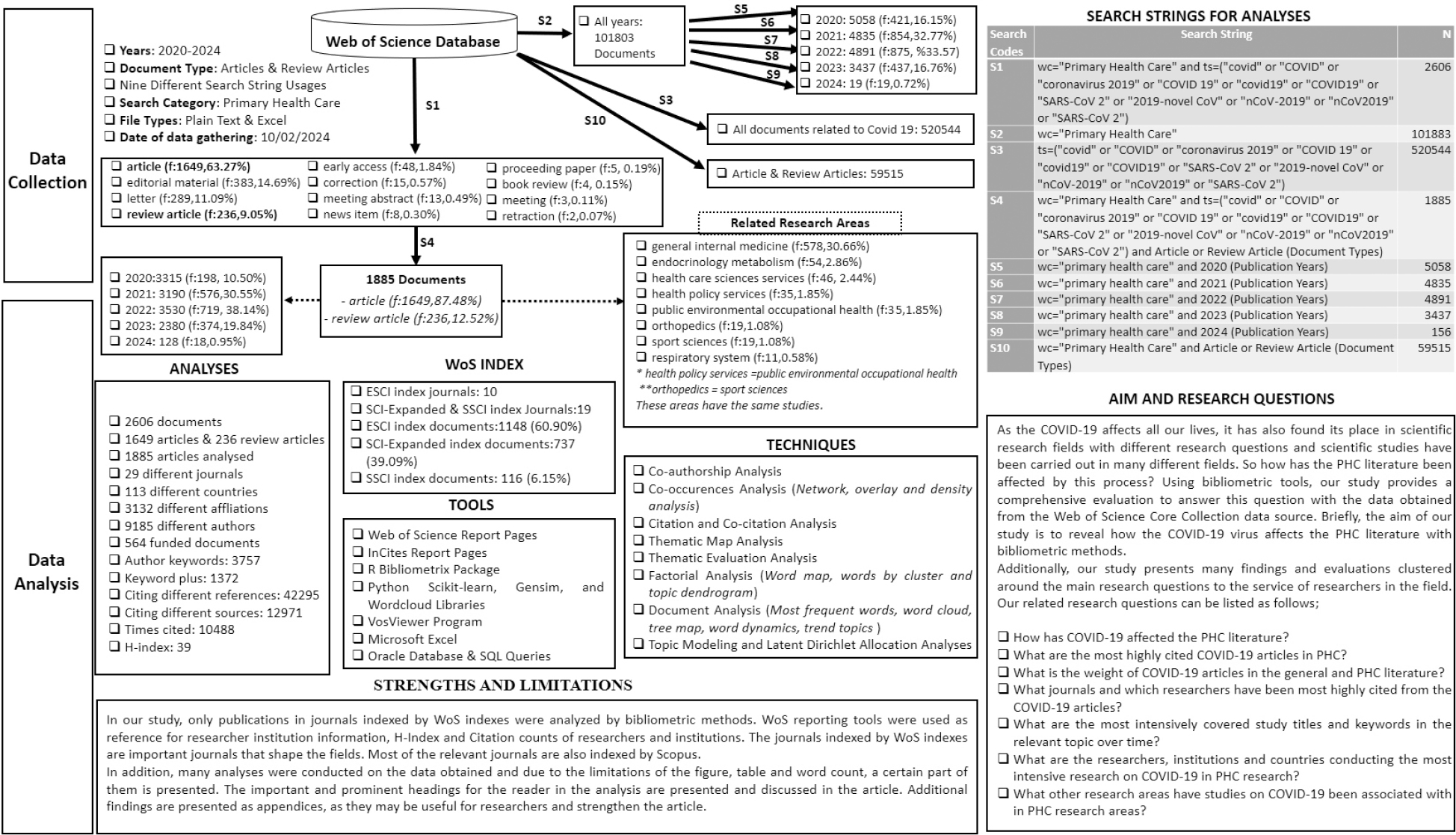
Appendix A. Research methodology and study descriptions. PHCA; primary health care
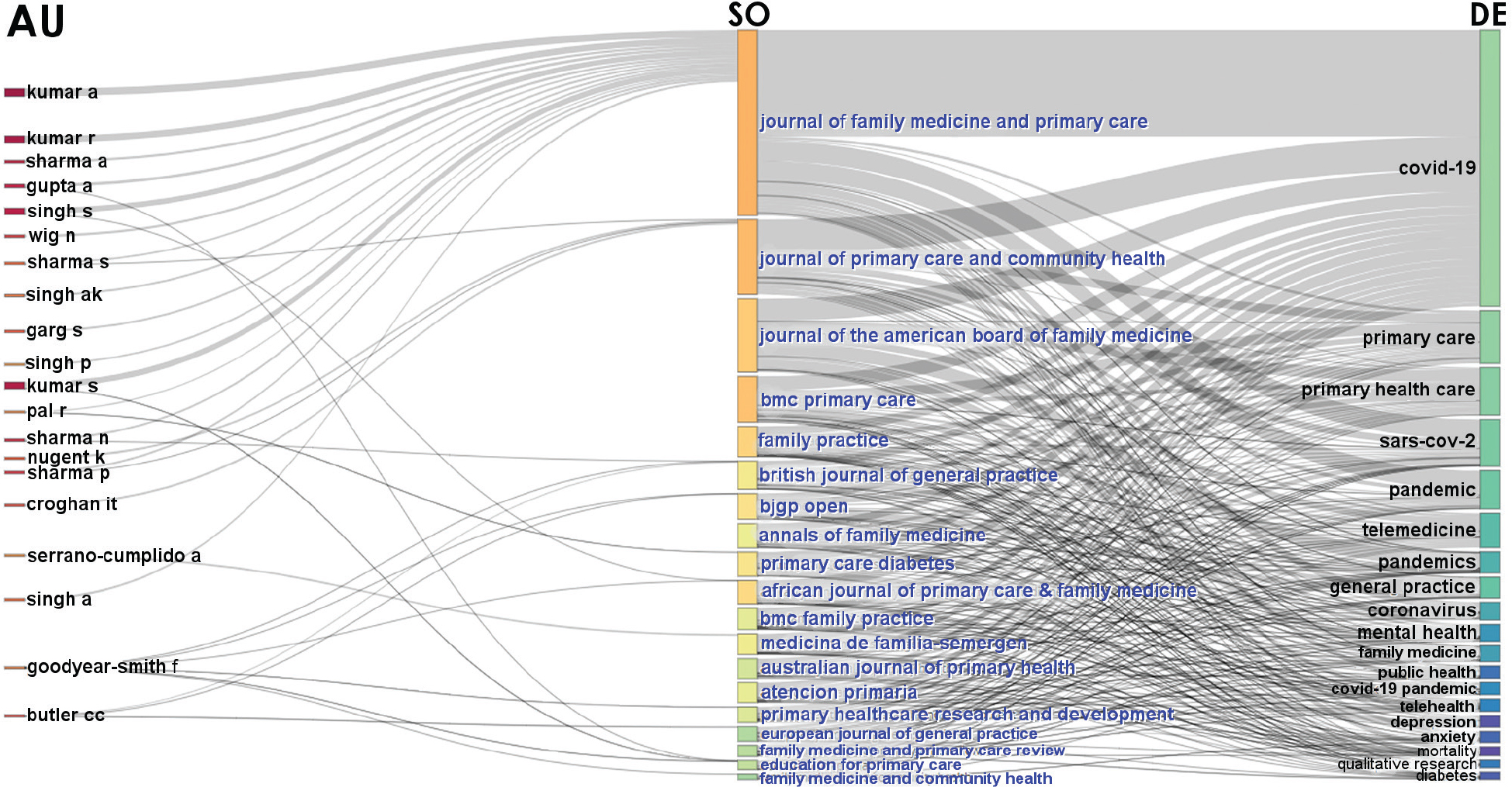
Appendix B. Three fields plot with authors, journals, and keywords for COVID-19 studies in PHC research area. (AU: author, DE: author keyword, PHC: primary healthcare, SO: Source/Journal/Conference)
Country collaborations (co-authorship country analyses)
Affiliations Collaborations (Co-Authorship Affiliations Analyses).
Authors’ Collaborations (Co-Authorship Authors Analyses).
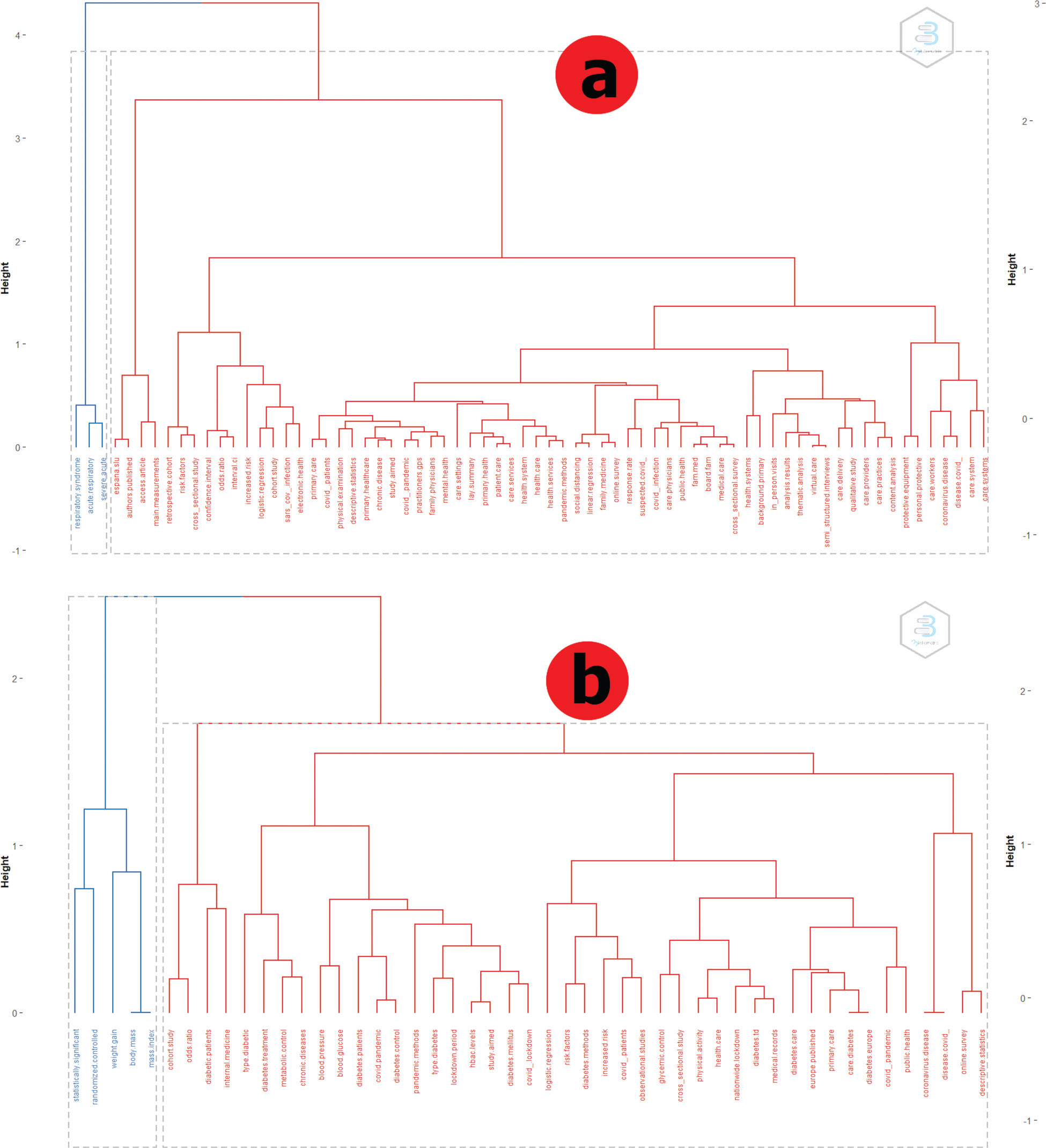
Appendix H. Conceptual structure topic dendrogram factorial analysis (Field: Abstract) Part 1
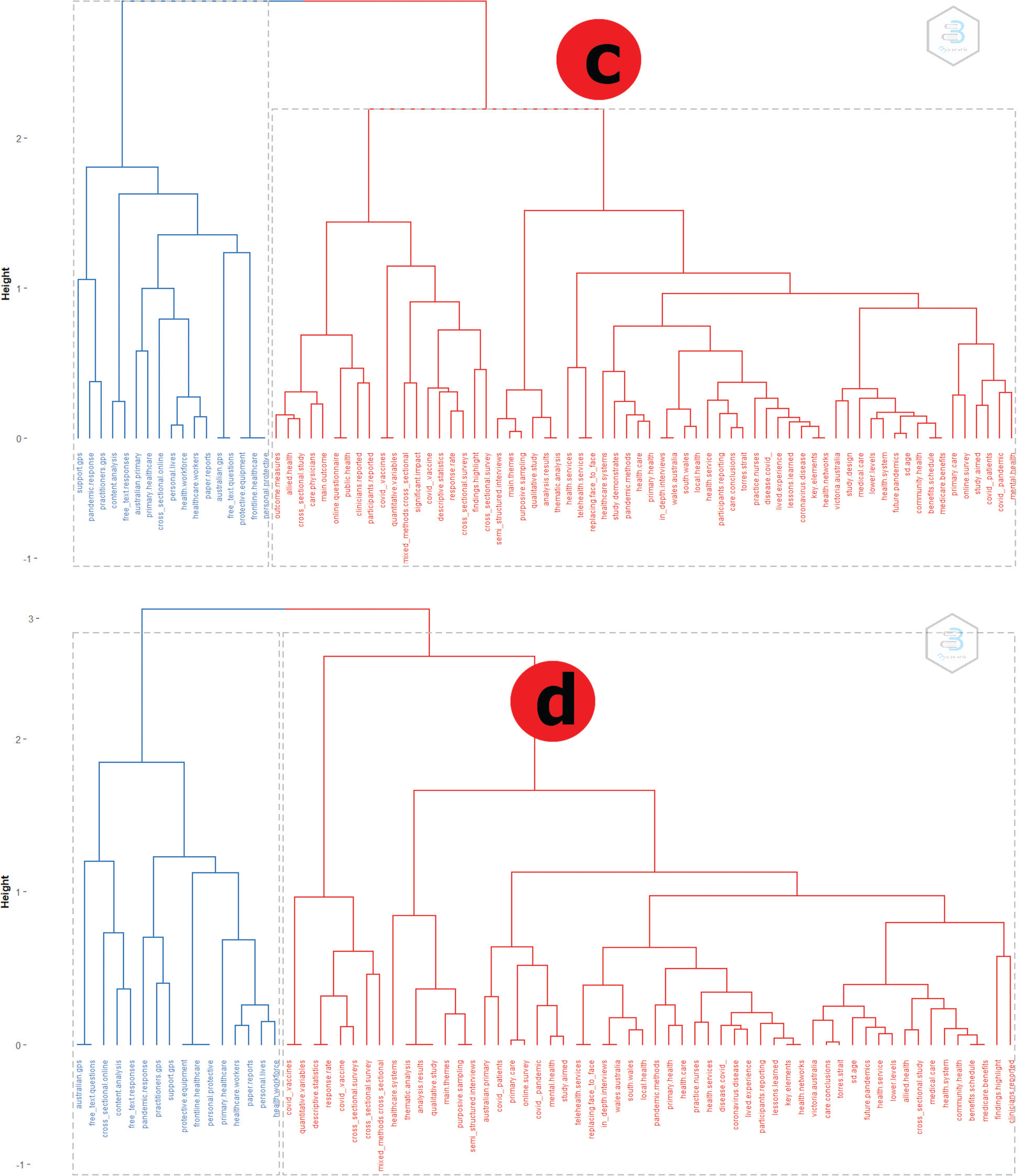
Appendix I. Conceptual structure topic dendrogram factorial analysis (Field: Abstract) Part 2
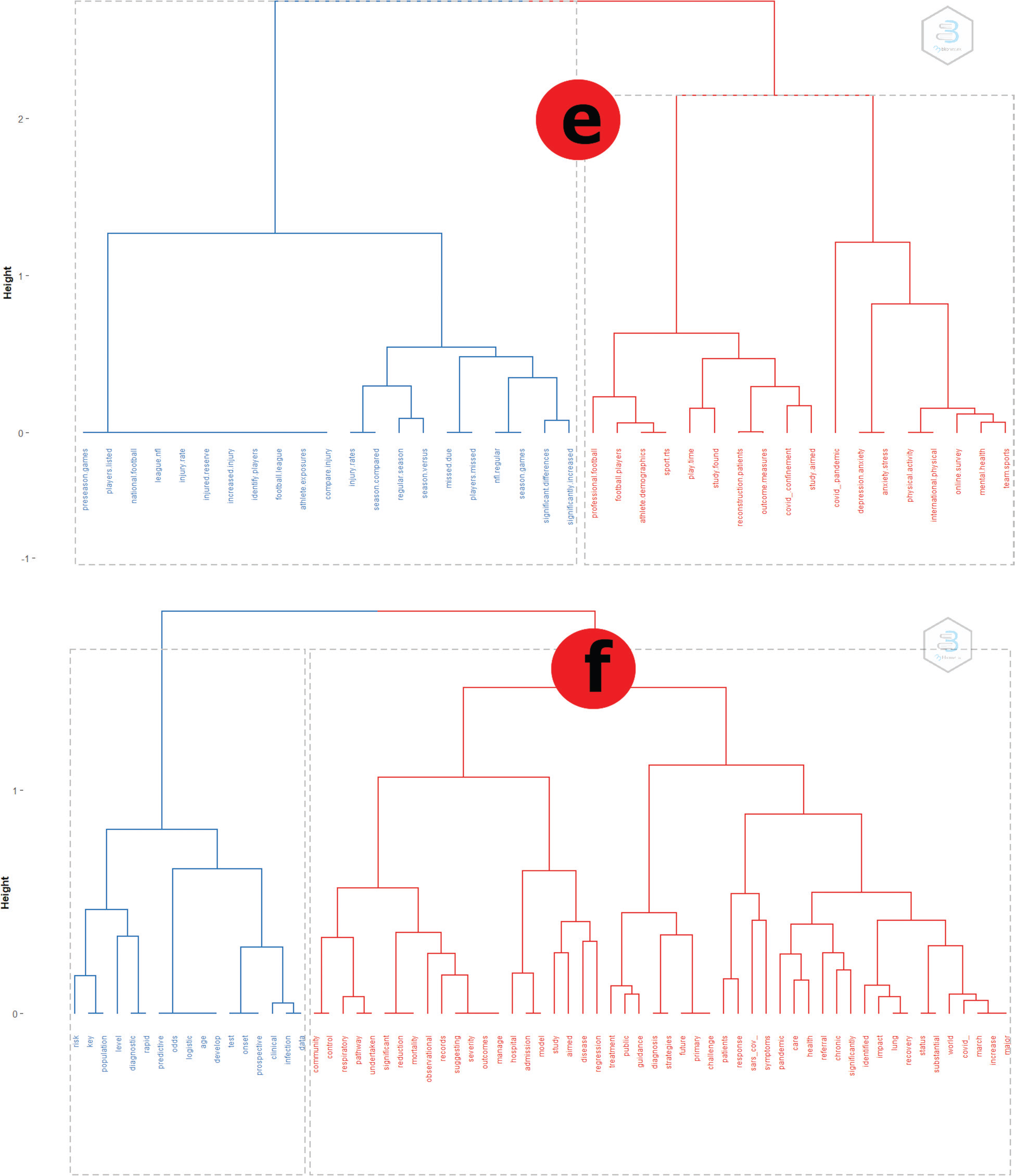
Appendix J. Conceptual structure topic dendrogram factorial analysis (Field: Abstract) Part 3